
There are places that quietly become part of your life before you realise they have. For me, the Nordbahntrasse was one of them.
I lived just a few minutes away, and before long, this former railway line became woven into my everyday life. It was where I went when I needed fresh air after a long day. Where I ran without constantly reminding myself that Wuppertal is, quite frankly, one giant hill. Where I walked through every season of diasporic life. And yes, where I processed some of the hardest breakups of my life, one step at a time.
Looking back, I don't think I ever came here simply to exercise. I came because this place had a way of making everything I was experiencing, as a woman living oceans away from her family, feel a little lighter.
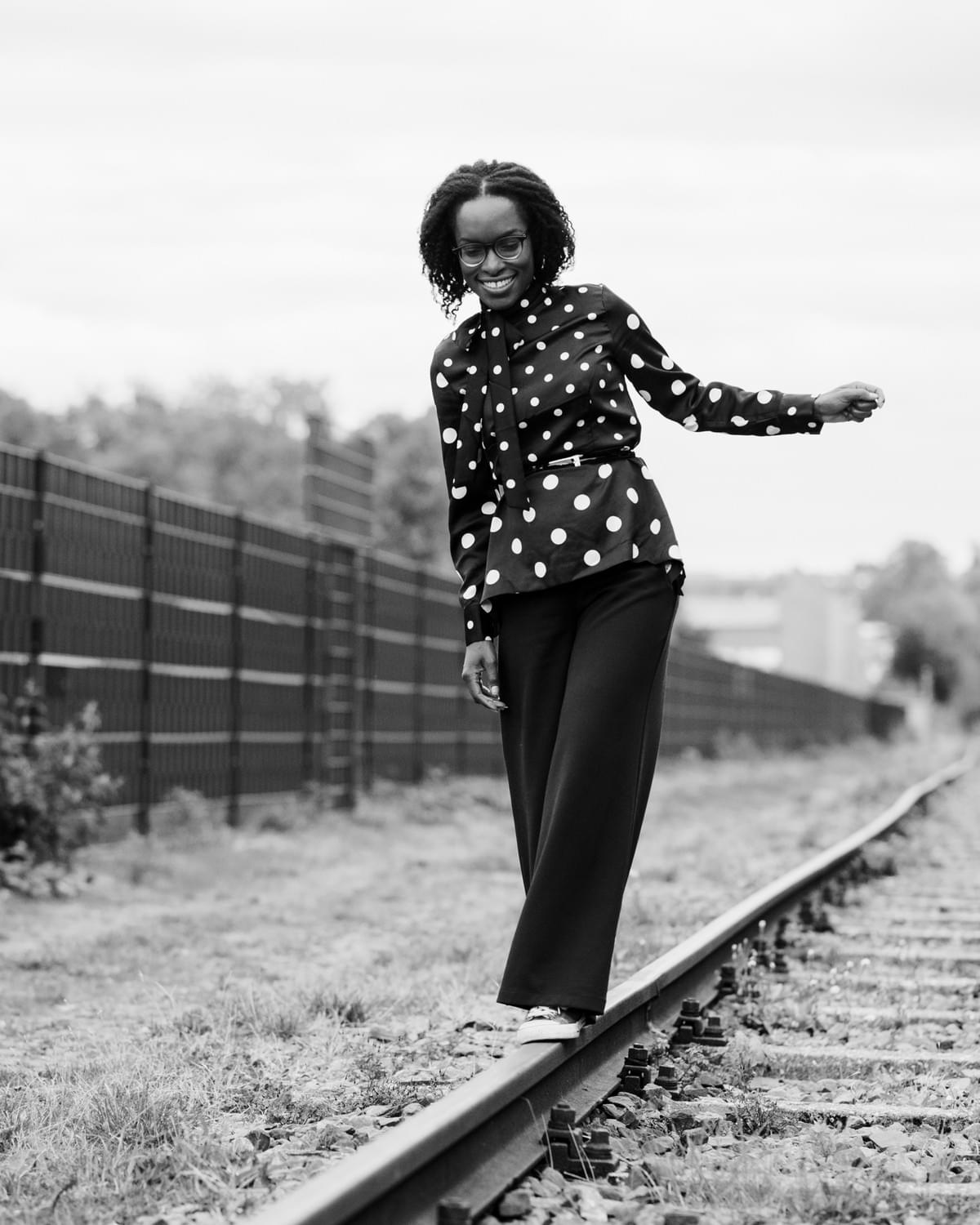
Where Wuppertal Lets You Catch Your Breath
If you've never been to Wuppertal, you should know one thing: it is steep. Really steep.
Walking from one neighbourhood to the next often feels like an unplanned workout. Cycling can be even more ambitious. Which is why the Nordbahntrasse feels almost like a small miracle.
This is where you'll find joggers finding and eventually settling into their rhythm, cyclists on their morning commute and others trying to up their pulse, parents with prams, dog walkers, inline skaters, and friends catching up over a leisurely stroll. It is the one place in the city where you can simply move without constantly negotiating another hill.
The route stretches for around 22 kilometres, connecting neighbourhoods across the different parts of the city. The section I know best runs between Ottenbruch, Mirker Bahnhof and Loher Bahnhof, but every part of the Trasse has its own character. Tunnels suddenly open onto wide views across the valley. Former station buildings have found new purpose. Miniature woodlands, graffiti walls and artsy yards appear where you least expect them.
The Day the Trains Stopped
Long before runners and cyclists discovered the Nordbahntrasse, trains travelled this very route.
The Wuppertaler Nordbahn once connected communities across the city, carrying passengers and freight through the northern districts. When the railway closed in the 1990s, the tracks fell silent. Nature slowly reclaimed the line, and for years it seemed as though this piece of Wuppertal's industrial history would simply fade away. But Wuppertal has a habit of surprising people.
In 2006, a citizen-led initiative called Wuppertalbewegung e.V. imagined something different. Instead of accepting another abandoned railway, they envisioned a place where people could walk, cycle, meet, and spend time together. Residents, volunteers, local businesses, schools, neighbourhood groups, and the City of Wuppertal worked together to turn that vision into reality.
What moves me most about this story is that it wasn't simply funded and built from 'above'.
One of my followers mentioned that the then ruling political party in Wuppertal was not keen on helping to fund this initiative. That is when the people in Wuppertal rolled up their sleeves. They raised money, mobilised support, and in some cases even helped with the construction themselves. More than seventy schools, companies and neighbourhood groups continue to help maintain the route today.
You can feel that sense of communal ownership when you're there. The Nordbahntrasse doesn't feel like a project that belongs to the city council. It feels like it belongs to the people who use it.
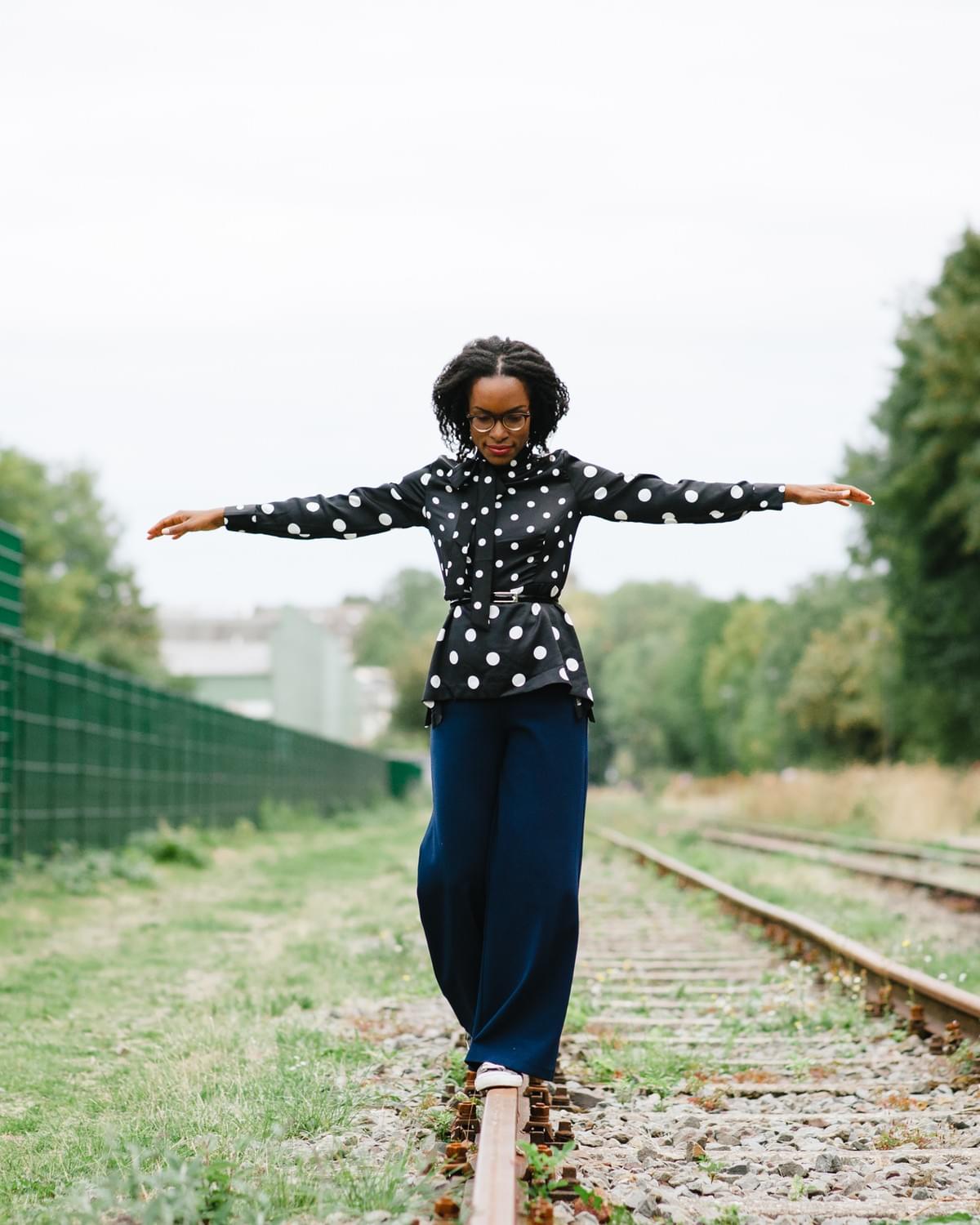
More than an old railway line
There is something quietly beautiful about the fact that the flattest route in Wuppertal exists because railway engineers over a century ago needed trains to avoid steep gradients.
Their practical solution became today's favourite place to run, walk, cycle, think, meet friends, or simply sit on a bench and watch the world pass by.
Every time I return, I'm reminded that places don't become meaningful because they're famous. They become meaningful because of the lives lived there.
For me, the Nordbahntrasse will always be more than an old railway line. It reminds me of mornings when the city was just waking up, autumn leaves collecting along the path, conversations that stayed with me long after they had ended, and walks that somehow made difficult days easier to carry.
Perhaps that's why I wanted to write about it.
Visitors often come to Wuppertal for the Schwebebahn, and rightly so. But if you really want to understand this city, I think you have to spend some time on the Nordbahntrasse. It is a tourist attraction, but it also reveals something essential about Wuppertal itself; a city known for its hills created a place where everyone could find their own pace.
And perhaps there is something fitting about that. A railway built to connect neighbourhoods continues to do exactly that, only now it connects people instead of trains.
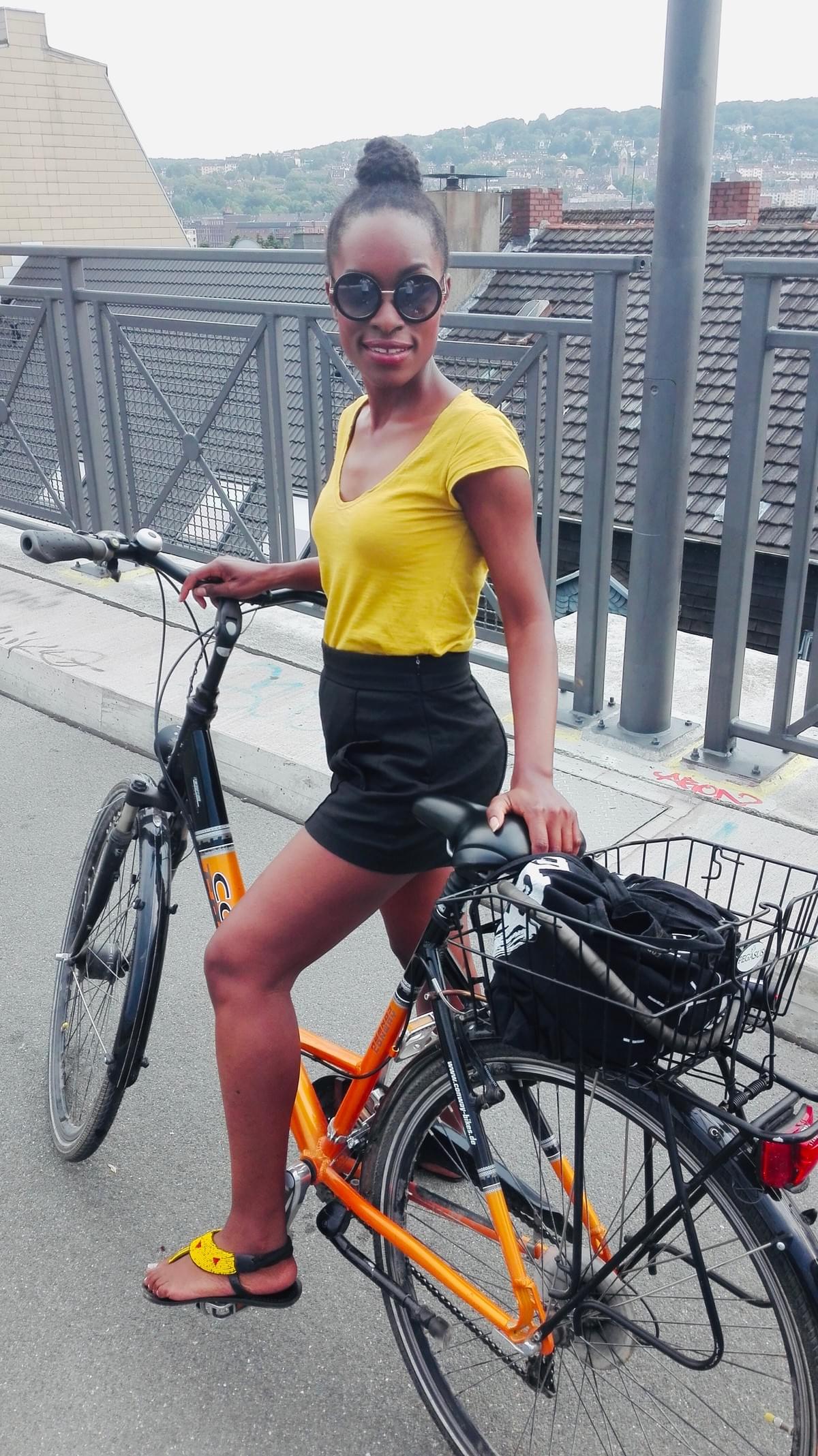
Dr. Mariam Muwanga
Mariam Muwanga is a PhD holder in the fields of (Black) British literature and cultural studies. She writes about life as a Black woman in Germany on her blog: www.afro-diasporan.com and runs an instagram account: @afro_diasporan where she showcases the hidden gems of her second home, Wuppertal (in Germany).